Get free quotes from environmental site assessment near you
Takes about a minute. Free, no obligation; providers reply to you directly.
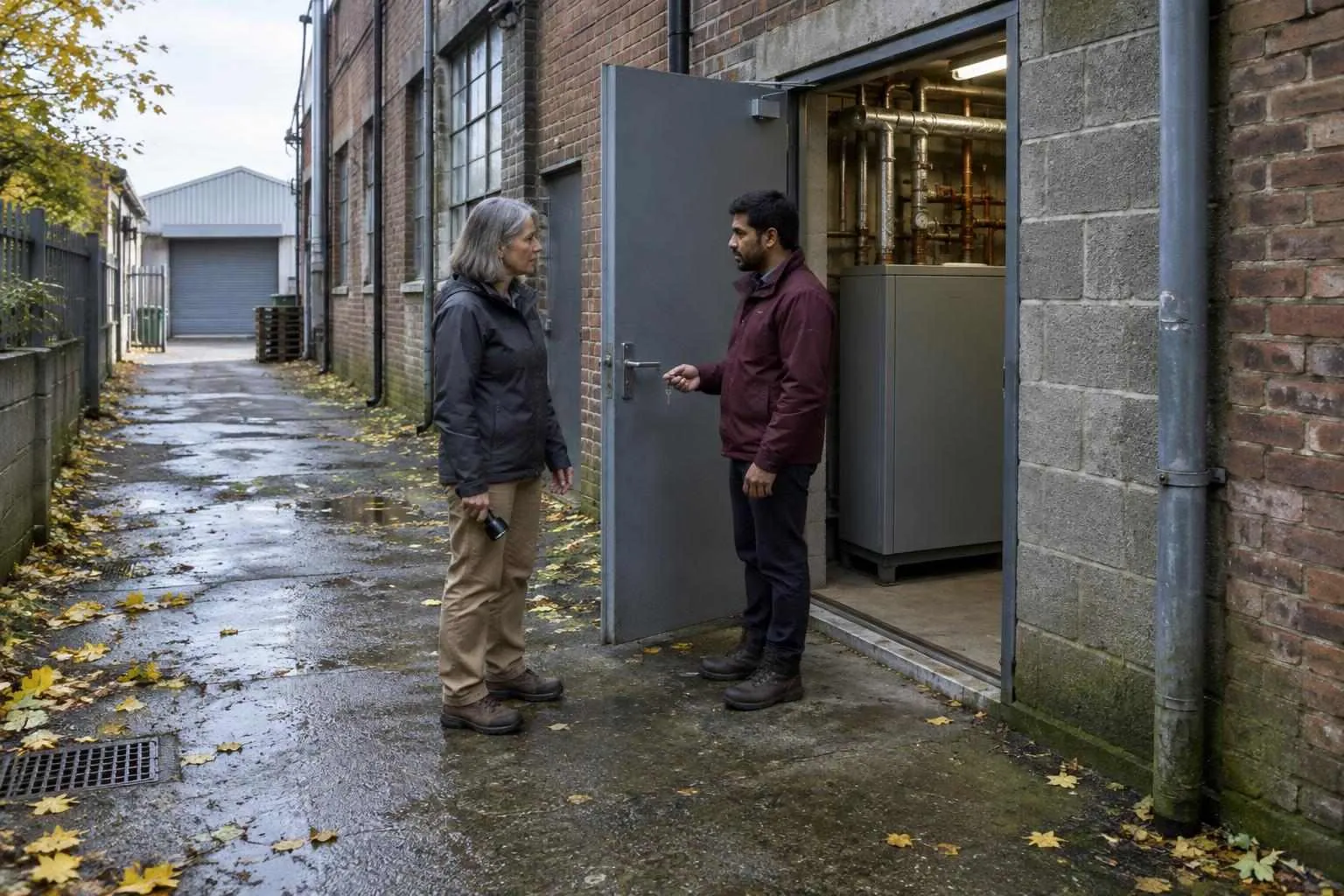
My client called me at 7 a.m. on a Tuesday. The Phase I had just come back with three Recognized Environmental Conditions — a dry cleaner operated on the adjacent parcel in the 1980s, there was an old UST permit buried in county records, and the inspector couldn’t get into the back utility room because nobody had the key.
The deal was 60 days from closing. The lender’s timeline was not.
That morning taught me everything I now tell every developer and lender I work with: an environmental consultant session is not something you walk into cold. Preparation isn’t a courtesy — it’s a liability strategy.
The Short Version:Most project delays and cost overruns from environmental assessments trace back to poor preparation, not contamination. Gather your documents, clear the site, vet your consultant, and define scope before anyone shows up with a clipboard. A Phase I takes 2-3 weeks when everything goes smoothly. It takes longer when you make the inspector chase down records you already had.
Key Takeaways
- Phase II ESAs add 20-45 days of project delay — preparation on the Phase I end can prevent you from needing one
- Your consultant must be a credentialed Environmental Professional (EP) for CERCLA liability protection to apply
- Phase I follows ASTM E1527-21 standards; a report that doesn’t cite this is not lender-grade
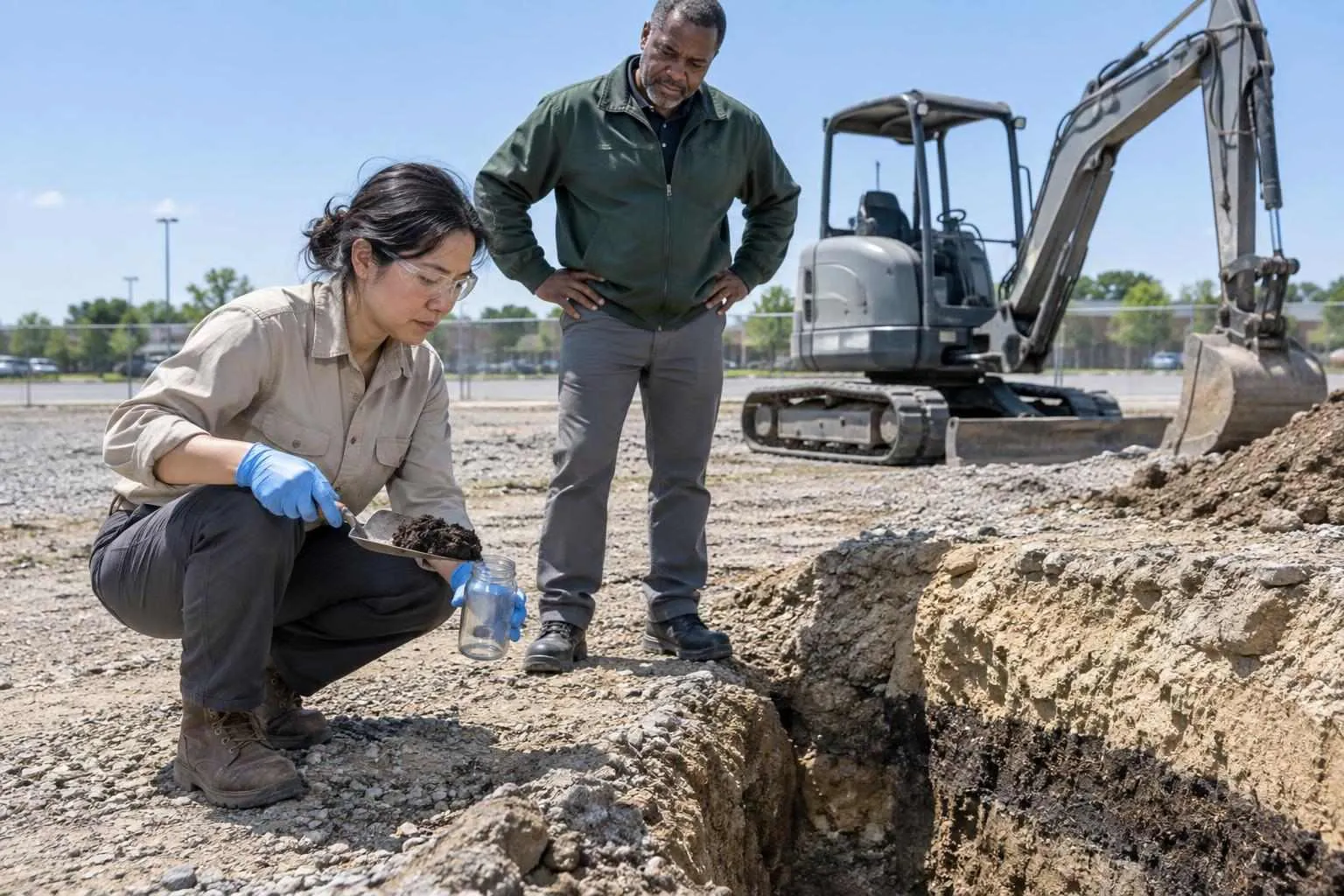
- Announcing a separate Phase II vendor after Phase I is complete is a negotiating tactic that keeps Phase I honest
The Preparation Checklist (14 Steps)
Here’s what most people miss: environmental consultants are only as good as the information you hand them. A chaotic site visit produces a chaotic report. Here is exactly what to have ready.
Before You Hire Anyone
1. Trigger a pre-assessment screening. Before you even issue an RFP, identify whether your project activates federal (NEPA), state (CEQA, SEQRA), or local review requirements. Wetlands, waterways, endangered species habitat, and historic preservation zones each carry separate regulatory hooks. Discovering this after you’ve signed a scope-of-work wastes everyone’s time.
2. Pull all prior environmental reports. If the property has been through a transaction in the last 20 years, there’s likely a Phase I gathering dust in someone’s files. Get it. Prior reports don’t substitute for a current assessment, but they give your consultant a starting point and flag known RECs before the site visit.
3. Compile historical use data. Aerial photos, fire insurance maps (Sanborn maps), city directories, and prior owner interviews are the backbone of a Phase I records review. Some consultants will do this legwork themselves — but if you can hand them a folder, you compress the timeline.
Vetting Your Consultant
4. Verify EP credentials. This is non-negotiable. For CERCLA liability protection to apply, the Phase I must be conducted by an Environmental Professional as defined under 40 CFR Part 312. Ask for their credentials upfront — CHMM, REP, PE, or PG are common designations. If they can’t produce this, walk away.
5. Ask these four questions on the first call:
- What’s your timeline for completion?
- Have you worked on properties with similar use history or contaminants?
- Can you provide references from comparable projects?
- Who will be the project lead — and what are their credentials?
Reality Check:Environmental consulting is a relationship business, not a commodity. The firm with the lowest bid often produces the vaguest report — and a vague report is a liability, not a bargain.
6. Consider the Phase II vendor strategy. Here’s a tactic the pros use: don’t commit to using the same firm for Phase II at the time of Phase I engagement. When a consultant knows you’ll take Phase II business elsewhere if Phase I findings seem inflated or sloppy, they have more incentive to get Phase I right. You’re not being adversarial — you’re structuring incentives correctly.
Site Preparation
7. Ensure full site access. This sounds obvious. It isn’t. Unlock every building, every fence gate, every utility room. If the inspector can’t access a portion of the property, that becomes a data gap in the report — which lenders treat as a red flag. The utility room that cost my client that Tuesday morning? The delay was worse than whatever the inspector would have found inside.
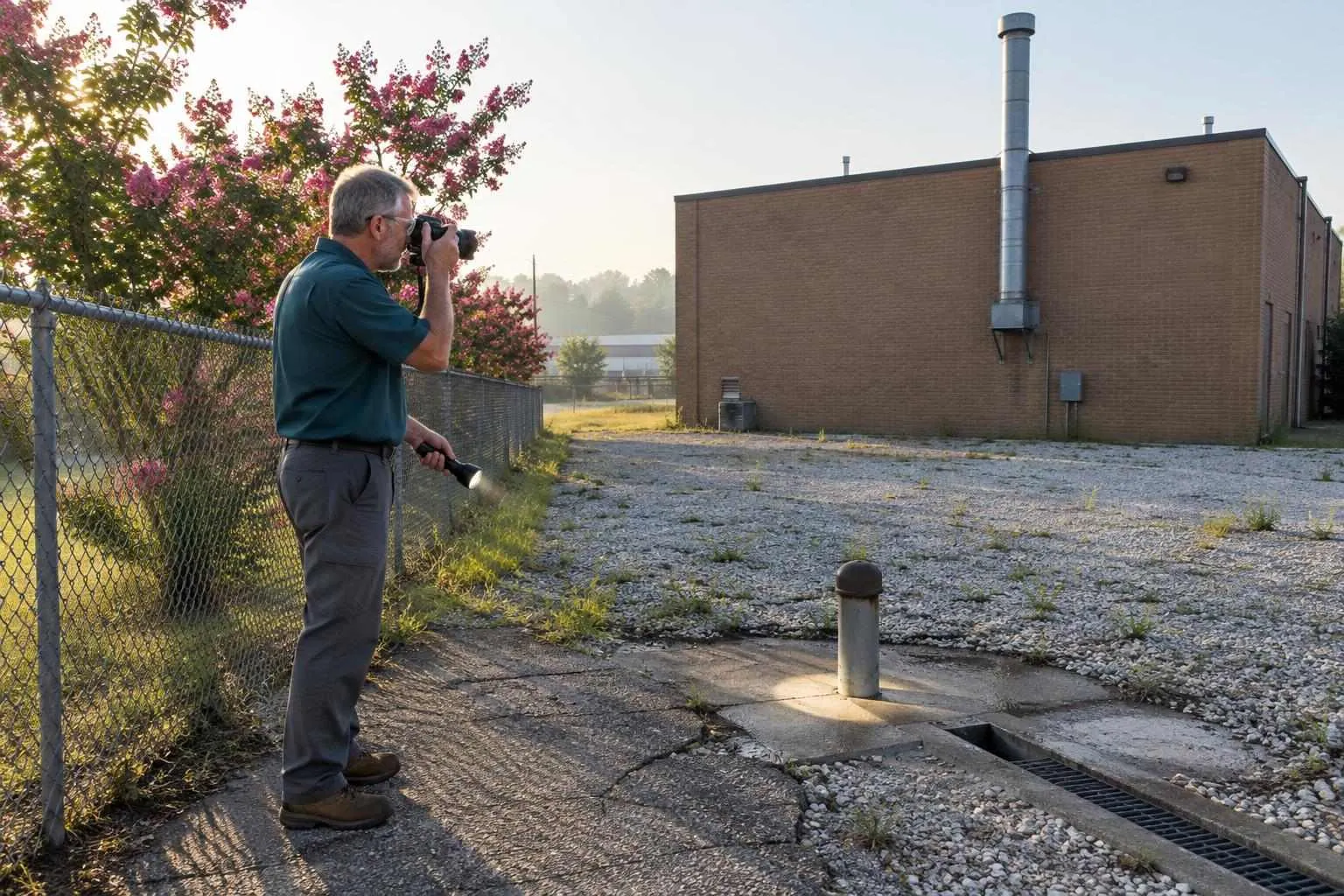
8. Clear clutter from key areas. Inspectors need to observe floor drains, sumps, storage areas, and mechanical rooms. A warehouse full of unmarked drums or pallets stacked over floor drains creates both practical and liability complications. Pre-clear before the site visit.
9. Document any known issues in advance. If you know about a historical spill, a removed UST, or a prior remediation, disclose it to your consultant before the visit. Surprises in the field slow everything down. Surprises in the report are worse.
Defining Scope
10. Specify contaminant concerns explicitly. Asbestos-containing materials (ACM), lead-based paint, mold, and radon require separate assessments beyond a standard Phase I. If the property has pre-1980 construction or industrial history, flag these concerns in your scope discussion — don’t assume they’re included.
11. Align on ASTM standards compliance. Your report needs to conform to ASTM E1527-21 to be lender-grade. If you’re working on an SBA or CMBS deal, confirm this explicitly. Some consultants default to older versions or internal methodologies that don’t satisfy underwriting requirements.
12. For large or complex projects, request a Critical Issues Analysis first. Renewable energy developers and large-scale commercial developers use CIA (also called Feasibility Study or Fatal Flaw Analysis) to screen sites before committing to full Phase I work. If you’re evaluating multiple parcels, a CIA eliminates the obvious losers cheaply and quickly.
Timeline Management
13. Build assessment time into your LOI. A Phase I takes 2-3 weeks under normal conditions. A Phase II, if triggered, adds 4 weeks — and can push project timelines 20-45 days beyond that. Factor these numbers into your letter of intent and purchase agreement contingency periods before you’re negotiating against a hard deadline.
14. Conduct Phase I before listing, not after offer. If you’re on the sell side, this is the single highest-leverage move you can make. A clean Phase I in the data room signals good faith, speeds buyer due diligence, and removes a major re-trade vector. Industrial and commercial sellers who do this close faster and with fewer price adjustments.
Common Mistakes vs. What to Do Instead
| Mistake | What to Do Instead |
|---|---|
| Hiring the cheapest EP without checking credentials | Verify EP designation; ask for references from comparable deals |
| Providing no site access during inspection | Pre-unlock all areas; assign an escort who knows the property |
| Waiting for offer before ordering Phase I | Order Phase I pre-market on commercial/industrial properties |
| Letting Phase I and Phase II vendor be the same firm by default | Keep Phase II vendor decision open until Phase I is complete |
| Assuming Phase I covers asbestos, lead, and mold | Specify these in scope; they require separate assessments |
| Missing ASTM E1527-21 compliance for lender deals | Confirm ASTM compliance explicitly before engaging any firm |
Pro Tip:For properties with complex histories — gas stations, dry cleaners, industrial sites — request a preliminary title search and Sanborn map review before your consultant’s site visit. Handing them a 20-year chain of ownership up front can shave days off the records-review phase.
Practical Bottom Line
The Environmental Impact Statement process can drag on for months or years on complex projects. Phase II delays can crater a deal. Neither outcome is inevitable — both are largely a preparation failure.
Here’s what to do this week:
- Pull any prior environmental reports on properties in your pipeline
- Identify your regulatory triggers (NEPA, CEQA, wetlands, species) before engaging any consultant
- Draft a site-access protocol so inspection day runs clean
- Build Phase I (3 weeks) and contingent Phase II (4+ weeks) time into every LOI
For a deeper look at how environmental consultants work across different project types and transaction structures, start with The Complete Guide to Environmental Consultants. If you’re working on a commercial acquisition with lender requirements, understanding what lenders actually require from Phase I reports is the logical next step.
Nobody tells you that the environmental process is mostly a documentation and access problem, not a contamination problem. Now you know.
Done reading? Get quotes from environmental consultants near you.
Takes about a minute. Free, no obligation; providers reply to you directly.
Popular cities:
Nick built this directory to help developers and lenders find credentialed environmental consultants without wading through firms that also perform remediation — a conflict of interest he encountered firsthand while navigating due diligence on a commercial acquisition.