Environmental consultants listed in Chicago
See all 10 in Chicago →- 15.0★ (2) · certified industrial hygienists · certified safety professionals
Environmental Consulting Group is an environmental firm in Chicago providing environmental consulting, testing, and remediation. It serves commercial, institutional, and public sector clients throughout Chicago and the tri-state area, including environmental site assessment and remediation work. Its staff includes engineers, certified industrial hygienists, certified safety professionals, and IDPH-licensed professionals.
- 25.0★ (2) · Chicago
SWCA Environmental Consultants provides environmental consulting services, including planning and permitting, policy and regulatory advisory, ecological services, engineering, and water resources services. It serves markets including government, land development, mining, oil and gas, power generation, transportation, and water. The company states it has 45 years of experience and has been employee-owned since 2000.
- 32.0★ (1) · Chicago
Partner Engineering and Science, Inc provides environmental consulting services including Phase I and Phase II Environmental Site Assessments, site characterization, environmental remediation, and environmental compliance. It also lists property condition assessment reports and accessibility and ADA surveys.
- 4Professional Geologist
A3 Environmental, LLC (A3E) is a woman-owned small business providing environmental services. It performs environmental due diligence, investigation and remedial services, petroleum storage tank services, and affiliate environmental consulting for banks, mergers and acquisitions, lawyers, civil engineers, governments, and utilities.
- 5Professional Geologist · Professional Engineer
Bryan Environmental Consultants, Inc. (BEC) is a woman-owned environmental consulting firm founded in 2014. It serves private clients and municipalities in the greater Chicagoland area, Chicago’s South Side, and northwestern Indiana with environmental due diligence, site assessment, remediation, and redevelopment-related services. Its team includes Professional Geologists and a Professional Engineer.
Get free quotes from environmental site assessment in Chicago
Takes about a minute. Free, no obligation; providers reply to you directly.
A property developer I know spent three months and $40,000 cleaning up a site in Pilsen that a Phase I report had flagged as “low risk.” The consultant who wrote that report? Out-of-state firm, no local knowledge, hadn’t bothered checking the IEPA’s Leaking Underground Storage Tank database for the dry cleaner that operated there from 1962 to 1987.
That’s Chicago’s environmental consulting problem in a nutshell: the city has world-class firms and genuinely dangerous shortcuts — and from the outside, they look almost identical.
The Short Version:For most commercial transactions in Chicago, you need a firm fluent in IEPA regulations and the city’s industrial legacy. Large firms (Arcadis, AECOM, Stantec) handle complex remediation and government work. Mid-sized firms like Gabriel Environmental and Terracon cover commercial due diligence and construction projects. A3 Environmental is the practical pick for small-to-mid businesses that don’t need a 200-page report to answer a straightforward question.
Key Takeaways:
- Chicago’s industrial history — steel, manufacturing, rail yards — means Phase II sampling is warranted far more often here than in newer metros
- IEPA compliance requirements sit on top of federal EPA standards; a firm without Illinois-specific experience will cost you time
- Expect to pay $1,500–$4,500 for a standard Phase I ESA; hourly rates for mid-sized firms run $150–$300/hour
- Full in-house capabilities matter — firms that subcontract lab work introduce delays and communication gaps
Chicago’s Environmental Consulting Landscape
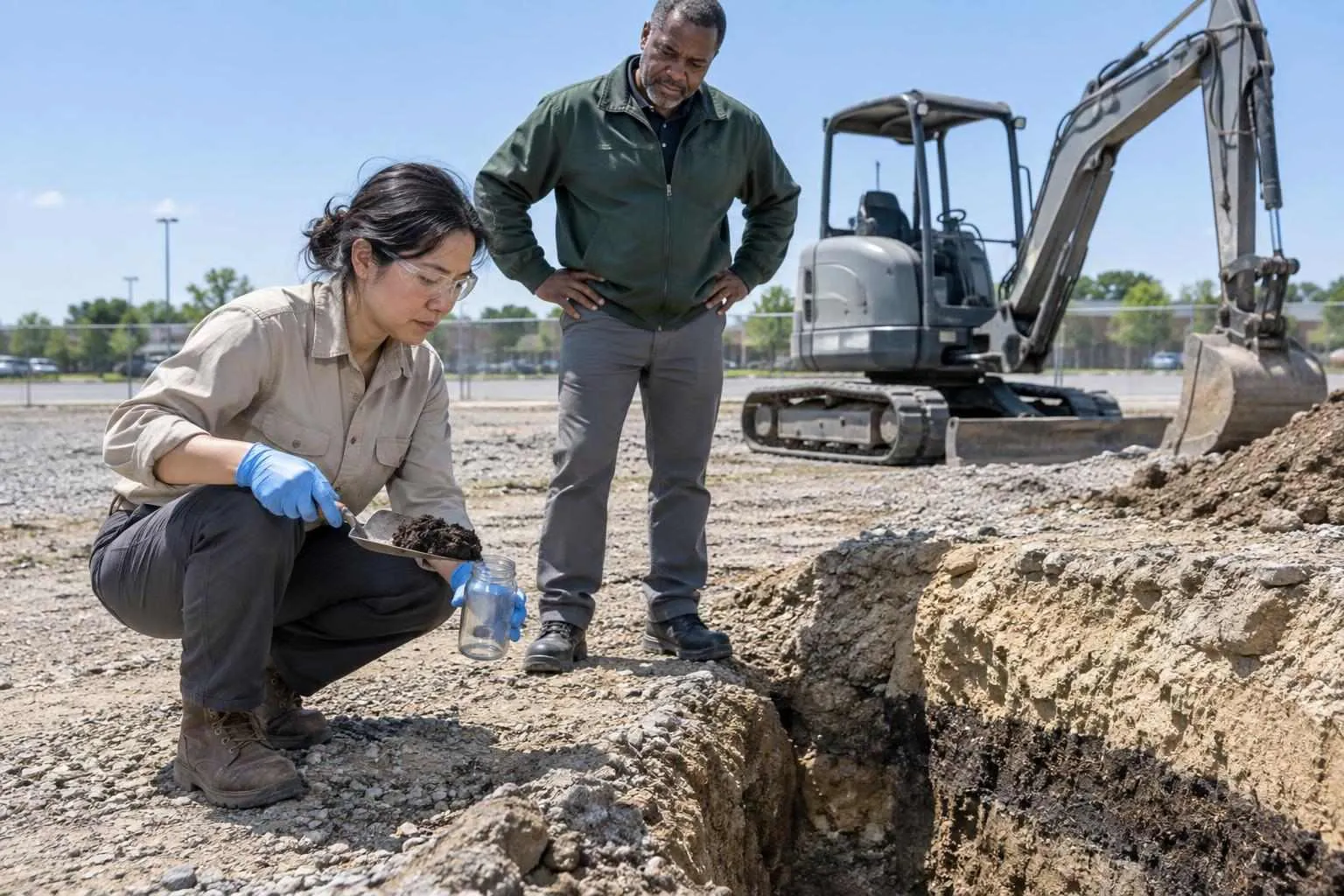
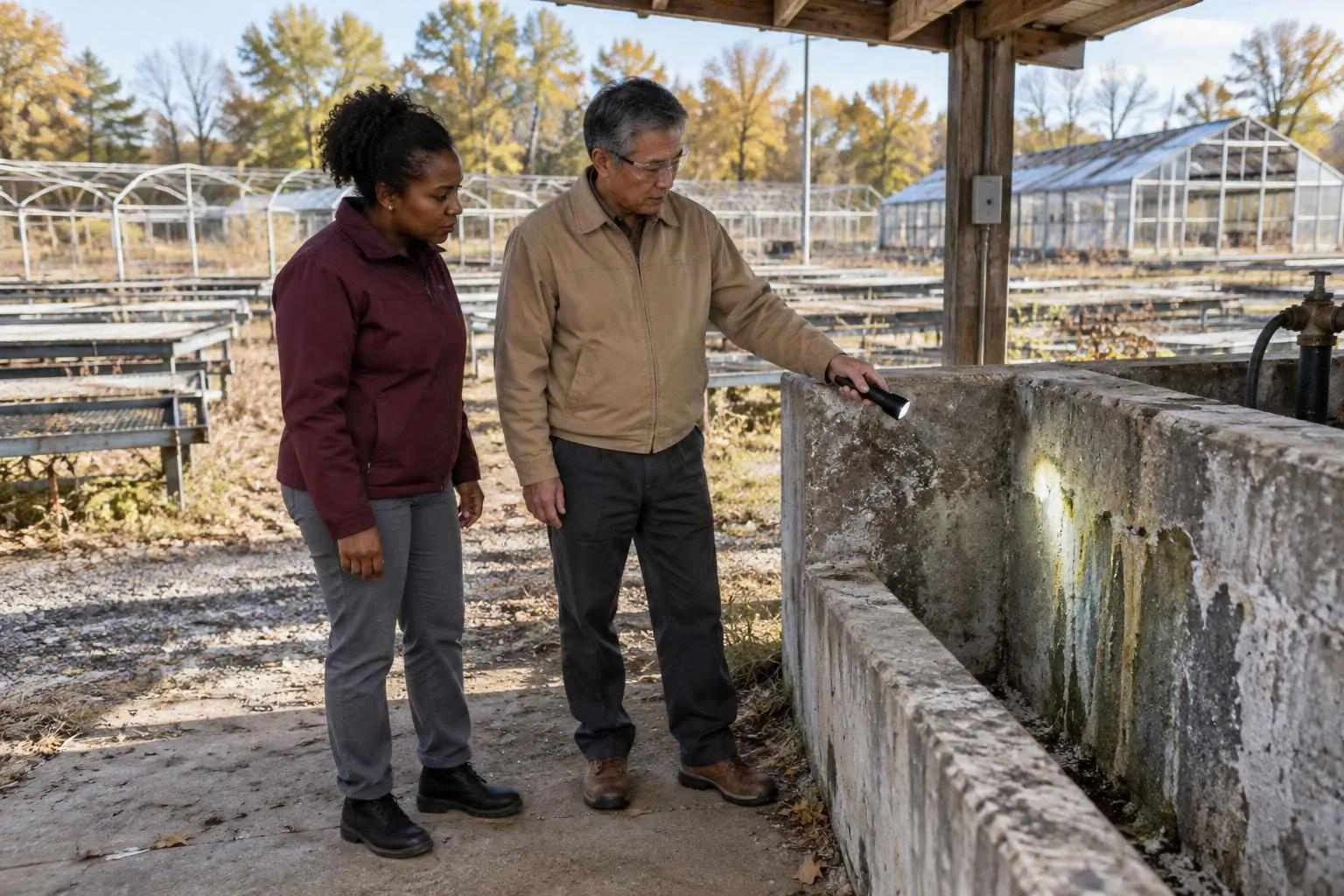
Most cities have a few brownfields. Chicago is basically one large brownfield with architecture on top of it. Decades of heavy manufacturing, rail infrastructure, and industrial chemical use have left a subsurface record that surprises even experienced consultants. That context matters enormously when you’re selecting who writes your Phase I or Phase II ESA.
The Chicago environmental consultants directory captures the full range — from national firms with local offices to tight regional players who’ve been navigating IEPA since the 1980s. Here’s how the landscape actually breaks down.
The Major Players (and What They’re Actually Good For)
| Firm | Best For | Scale | Notable Clients |
|---|---|---|---|
| Arcadis | Complex remediation, government contracts | Large/national | Industrial + municipal |
| AECOM | Infrastructure, Phase I/II on large acquisitions | Large/national | Government, developers |
| Stantec | Environmental + engineering integration | Large/national | Commercial, industrial |
| Gabriel Environmental Services | Full in-house Chicago industrial work | Mid-sized regional | Chicago manufacturers |
| Terracon | Construction due diligence, geotech + ESA combo | Mid-sized regional | Developers, lenders |
| SWCA | Compliance-heavy, science-driven projects | Mid-sized, employee-owned | Regulated industries |
| A3 Environmental | Small/mid businesses, fast turnaround | Boutique | SMBs, property buyers |
| SET Environmental | Large businesses, acute incident response | Regional | Industrial operators |
Reality Check:The big three (Arcadis, AECOM, Stantec) are excellent — if your project justifies their overhead. For a standard 10,000 sq ft commercial acquisition, you’ll get a junior consultant and a senior reviewer who sees your file twice. That’s fine for routine work. It’s a problem when you hit something unexpected and need institutional knowledge fast.
What Sets Chicago Apart
Nobody tells you this when they hand you the ASTM E1527-21 checklist: following federal standards to the letter isn’t enough in Illinois. IEPA’s remediation objectives, the state’s Site Remediation Program (SRP), and Chicago’s specific industrial history create a compliance layer that trips up firms that parachute in from other markets.
Gabriel Environmental Services has operated in the Chicago area since 1973 — that’s 50+ years of watching the IEPA rulebook evolve. Their claim to being the only Chicago-area firm with complete in-house capabilities isn’t just marketing copy; it eliminates the subcontractor coordination problem that turns a 6-week ESA into a 12-week one.
Terracon’s Chicago office takes a different integration approach, combining geotechnical engineering with environmental site assessments and materials testing. For developers, that’s significant: you get Phase I/II ESA and subsurface geotechnical data from the same team, using the same drill rig visit. One mobilization. Faster due diligence. Fewer delays at the loan underwriting stage.
Pro Tip:If you’re working with an SBA 7(a) or CMBS lender, ask your consultant upfront whether they’ve worked with that specific lender’s environmental requirements before. Lender-specific report formats and reliance letter protocols are a real source of deal delays — and experienced firms know the quirks.
The Software-Driven Tier
Sphera operates differently from the field-services firms above. Their EHS platform is used by Dow, Siemens, ADM, and BP to manage environmental risk, process safety data, and sustainability tracking at enterprise scale. If you’re a facility operator with ongoing compliance obligations rather than a one-time acquisition, this is a different conversation entirely — you’re buying a system, not a report.
Energy CX, headquartered in Chicago’s Fulton Market, rounds out the picture for companies tackling sustainability from the procurement side: data-driven energy brokerage with 24/7 utility support.
Neither replaces a Phase I ESA. They solve a different problem.
What You’ll Actually Pay
Rates in Chicago follow standard industry structure, with local market adjustments:
- Phase I ESA: $1,500–$4,500 for standard commercial properties
- Phase II ESA (soil/groundwater sampling): $5,000–$25,000+ depending on scope and number of samples
- Hourly rates: $150–$300/hour for mid-sized firms; $300+ for senior specialists at large nationals
- Ongoing compliance retainers: negotiated per firm; common for manufacturing facilities with IEPA obligations
A3 Environmental’s model targets small-to-mid businesses specifically — they’re positioning against the national firms’ tendency toward over-engineered deliverables. For a straightforward acquisition without obvious red flags, that matters.
How to Choose
The honest framework:
- Simple commercial acquisition, no obvious contamination flags → A3 Environmental or Gabriel
- Construction project needing geotech + environmental together → Terracon
- Known contamination, remediation required, government oversight → Arcadis, AECOM, or Stantec
- Acute incident, fast response needed → SET Environmental
- Enterprise EHS compliance, not a one-time assessment → Sphera’s platform
For a deeper look at how to evaluate any environmental consultant — credentials, report quality, what red flags actually look like — the Complete Guide to Environmental Consultants covers the full methodology.
Practical Bottom Line
Chicago’s industrial legacy is a real variable in your due diligence calculus, not a checkbox. The city’s IEPA layer means you want someone who’s been operating here — not just someone who can apply the ASTM framework competently.
Three next steps:
- Confirm IEPA familiarity before you sign any engagement letter. Ask directly: “Have you worked with IEPA’s Site Remediation Program?” A hedged answer is your answer.
- Match firm size to project complexity. Paying national firm overhead for a straightforward Phase I is money you don’t need to spend.
- Build in time for Phase II. Chicago’s subsurface surprises aren’t hypothetical. Structure your purchase agreement to allow scope expansion without blowing your closing timeline.
The Chicago environmental consultants directory has current contact info and specializations to help you shortlist the right firm for your project.
Done reading? Get quotes from environmental consultants in Chicago.
Takes about a minute. Free, no obligation; providers reply to you directly.
Popular cities:
Nick built this directory to help developers and lenders find credentialed environmental consultants without wading through firms that also perform remediation — a conflict of interest he encountered firsthand while navigating due diligence on a commercial acquisition.