Get free quotes from environmental site assessment near you
Takes about a minute. Free, no obligation; providers reply to you directly.
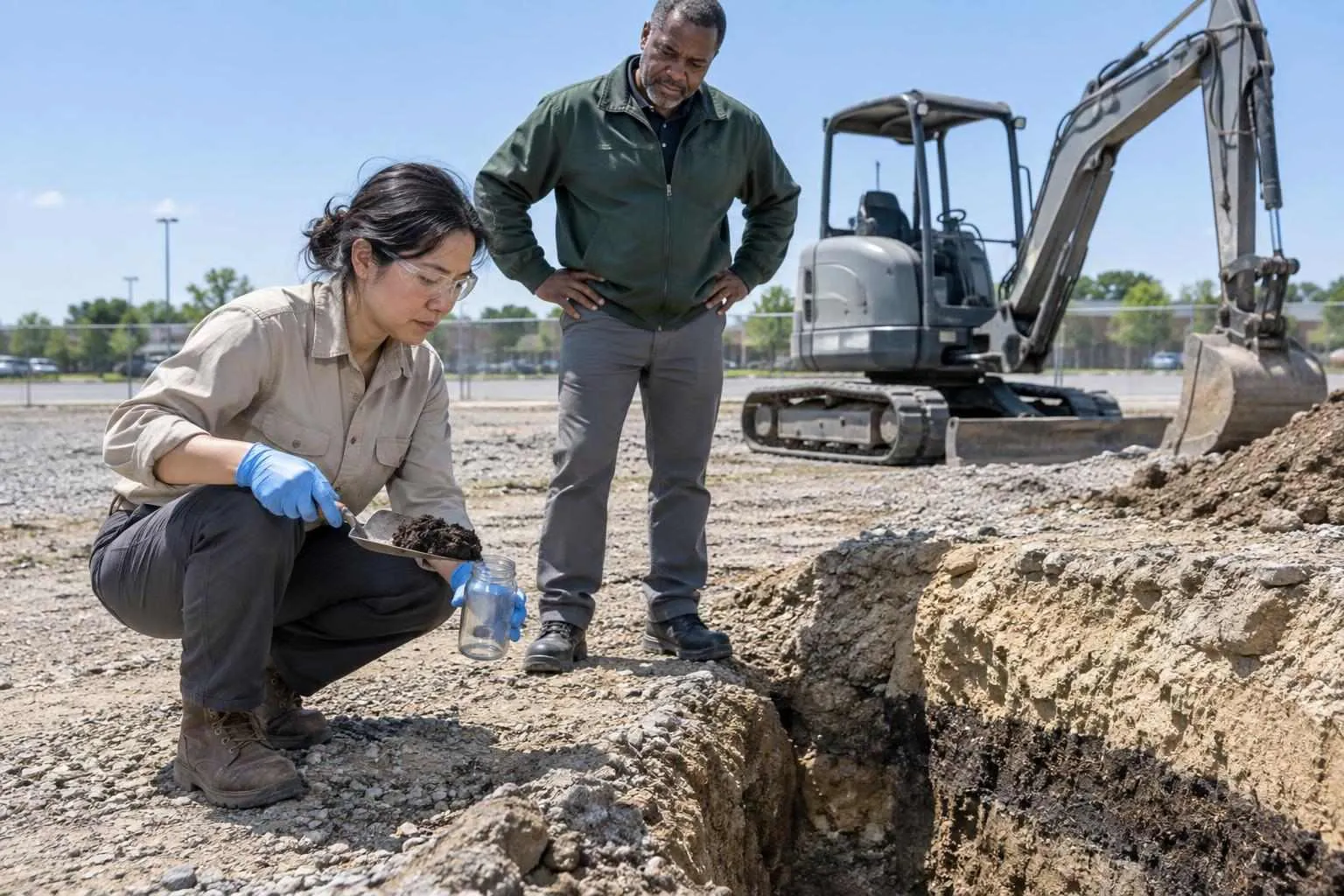
A Phase II ESA on a former dry-cleaning site. The consultant shows up in a spotless Carhartt jacket, unboxes a brand-new $12,000 portable XRF analyzer, and spends forty-five minutes recalibrating it while the client watches. The data it eventually produces is no better than what a $3,000 unit would have shown — because the contamination was obvious from the site history, and no amount of sensor precision changes what you do next.
That moment taught me more about environmental consulting equipment than any vendor brochure ever has.
The Short Version:The tools that actually matter for environmental consulting are GIS software, a reliable sampling kit, and decent field documentation hardware — not the flashiest drone or the most expensive analyzer. Integration between your tools matters more than any individual piece of gear. Expensive equipment doesn’t fix bad technique, and bad technique is far more common than bad equipment.
Key Takeaways
- GIS is the backbone of every serious environmental practice — not a nice-to-have
- Drone mapping earns its cost only when integrated with GIS and CAD workflows, not as a standalone flex
- Phase I/II ESA quality lives in your field documentation habits, not your hardware budget
- A $500 GPS unit used correctly beats a $5,000 GPS unit used carelessly every time
The Gear That Actually Moves the Needle
GIS: The One Non-Negotiable
If there’s one piece of the tech stack that actually defines whether a firm does good work, it’s GIS. Every credible environmental project — wildlife habitat assessments, wetland delineations, pre-construction impact analysis — runs spatial data through some form of geographic information system. We’re talking layer overlays for land use, vegetation mapping, water body locations, regulatory buffer zones. This isn’t aspirational technology anymore; it’s table stakes.
Here’s what most people miss: GIS isn’t just for big firms with dedicated analysts. A solo consultant doing Phase I ESAs benefits enormously from GIS-integrated historical imagery review. Tools like ArcGIS Pro or QGIS (free, and more capable than most consultants realize) let you overlay USGS topographic history, aerial photography, and regulatory databases in a single workspace.
Pro Tip:QGIS is free and handles 90% of what small-to-mid consultants need. Before you spend $1,500/year on ArcGIS licensing, spend twenty hours in QGIS and figure out what you actually need.
Drone Mapping: Real Value, Real Caveats
Drone mapping earns its place when you need topographic surveys for wetland restoration projects, pre-construction site condition documentation, or large-area vegetation mapping where boots-on-ground would take weeks. The key phrase is earns its place — meaning the data integrates into your GIS workflow and drives actual decisions.
What it doesn’t do: fix a poorly designed sampling plan, substitute for field knowledge, or impress regulators who care about chain-of-custody, not cinematic footage. Plenty of firms have bought DJI Phantom or Matrice rigs that now collect dust because nobody on staff knows how to process the point cloud outputs into anything useful.
Reality Check:A drone that produces gorgeous 4K video but whose data never makes it into a deliverable report isn’t a tool — it’s a marketing prop.
CAD Software: More Important Than You Think
Environmental consultants who dismiss CAD as “an engineer’s thing” are leaving money and accuracy on the table. 3D modeling of proposed project impacts, contamination plume visualization, and infrastructure design for remediation systems all benefit from CAD. Firms like ELS Environmental have made it a core workflow component specifically because clients — especially developers and lenders — respond to visual representations of project effects.
AutoCAD LT handles most environmental applications. Civil 3D earns its premium pricing if you’re doing grading design for stormwater or remediation system layouts. If you’re doing neither, you probably don’t need it.
The Equipment Comparison: What Matters vs. What’s Marketing
| Equipment | What It Actually Does | When It’s Worth It | When It’s Overkill |
|---|---|---|---|
| GIS Software (ArcGIS/QGIS) | Spatial analysis, regulatory overlay, habitat mapping | Always — this is foundational | N/A |
| Survey-grade GPS (Trimble, Leica) | Sub-centimeter positioning | Wetland delineation, legal boundaries | Most Phase I site recon |
| Mapping Drone (DJI Matrice) | Topo surveys, vegetation mapping | Large sites, restoration projects | Single-building ESAs |
| Portable XRF Analyzer | In-situ heavy metals screening | Brownfield triage, time-sensitive sites | When lab turnaround is fine |
| CAD Software (AutoCAD/Civil 3D) | 3D modeling, remediation design | Remediation projects, grading work | Records review / Phase I only |
| Data Analytics Platform | Monitoring outcome tracking | Long-term restoration monitoring | One-off assessments |
| Field GPS Tablet (Esri Collector) | Field data collection synced to GIS | Any project with multiple field sites | Single-location audits |
The Villain: Equipment as a Substitute for Method
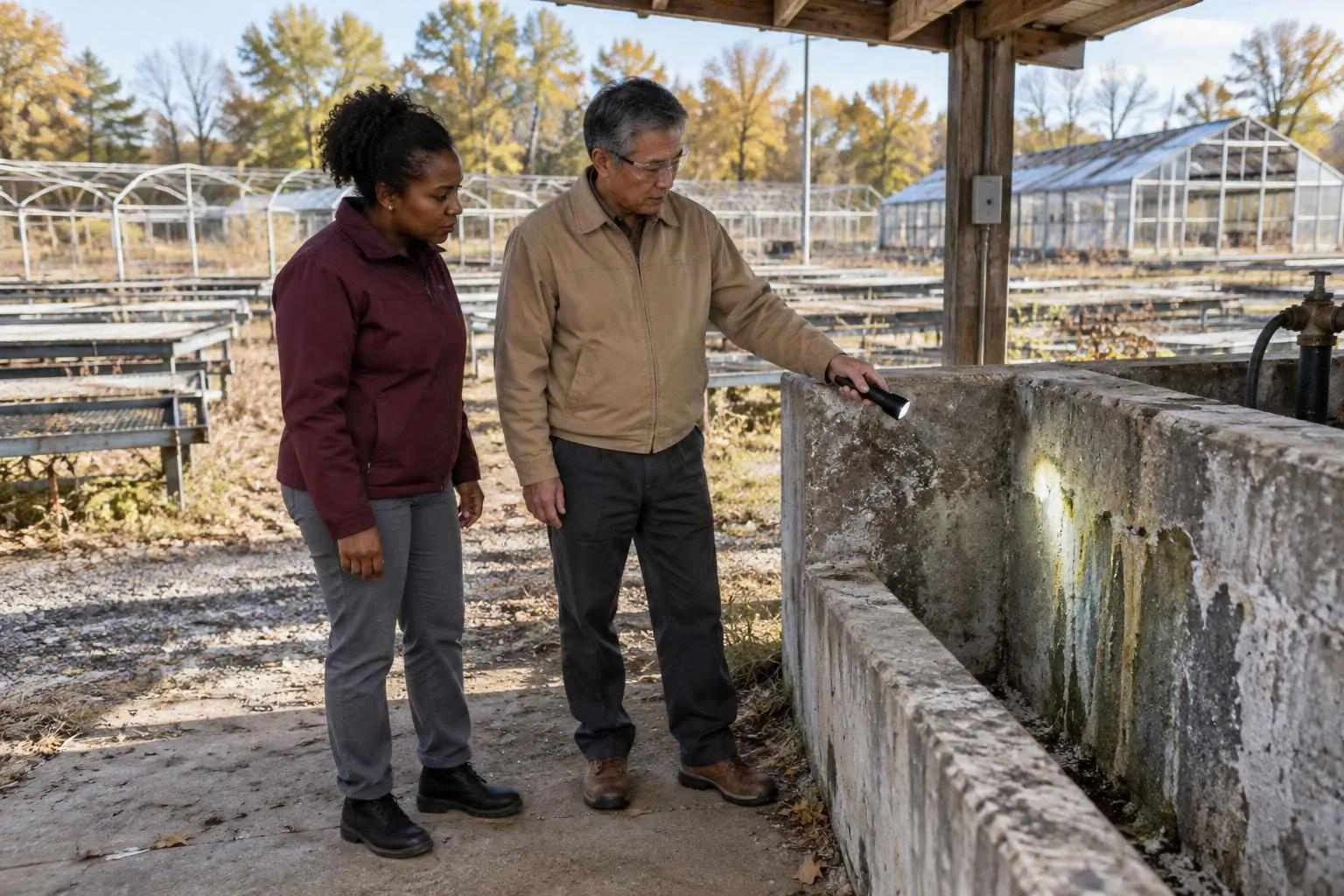
Here’s the uncomfortable truth the industry doesn’t advertise: the most common source of bad environmental reports isn’t bad equipment. It’s bad field technique, incomplete records research, and consultants who don’t understand what they’re trying to find before they go find it.
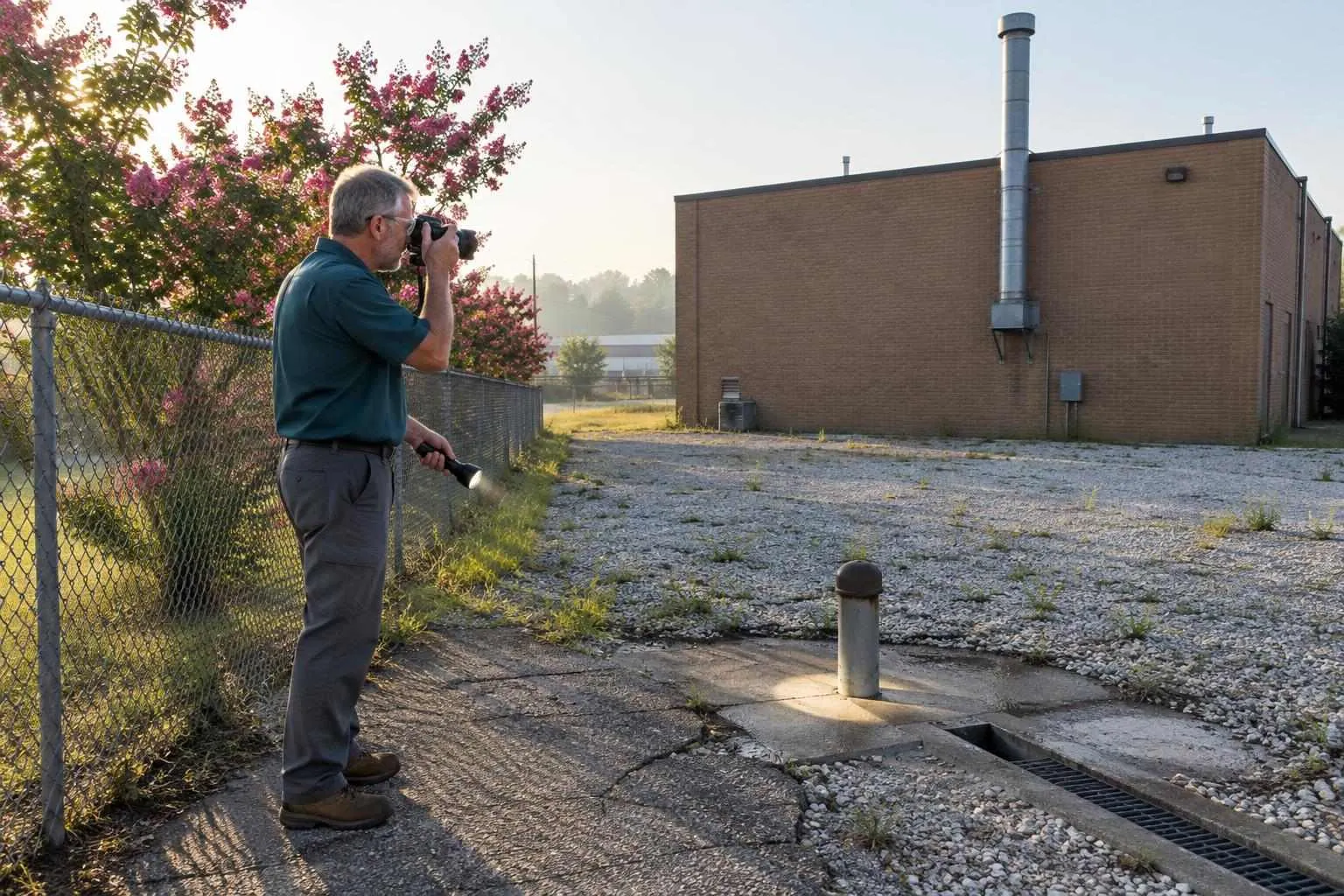
A monitoring well installed in the wrong location by someone who didn’t understand site hydrogeology won’t produce better data because it was installed with a top-of-the-line drill rig. A Phase II sampling plan that misses the likely source area doesn’t get rescued by a $12,000 XRF. Under ASTM E1527-21 standards, the quality of a Phase I ESA is determined by the thoroughness of your records review, the sharpness of your site reconnaissance, and the rigor of your professional judgment — not by what equipment you carried onto the property.
Nobody tells you this when they’re selling you the equipment.
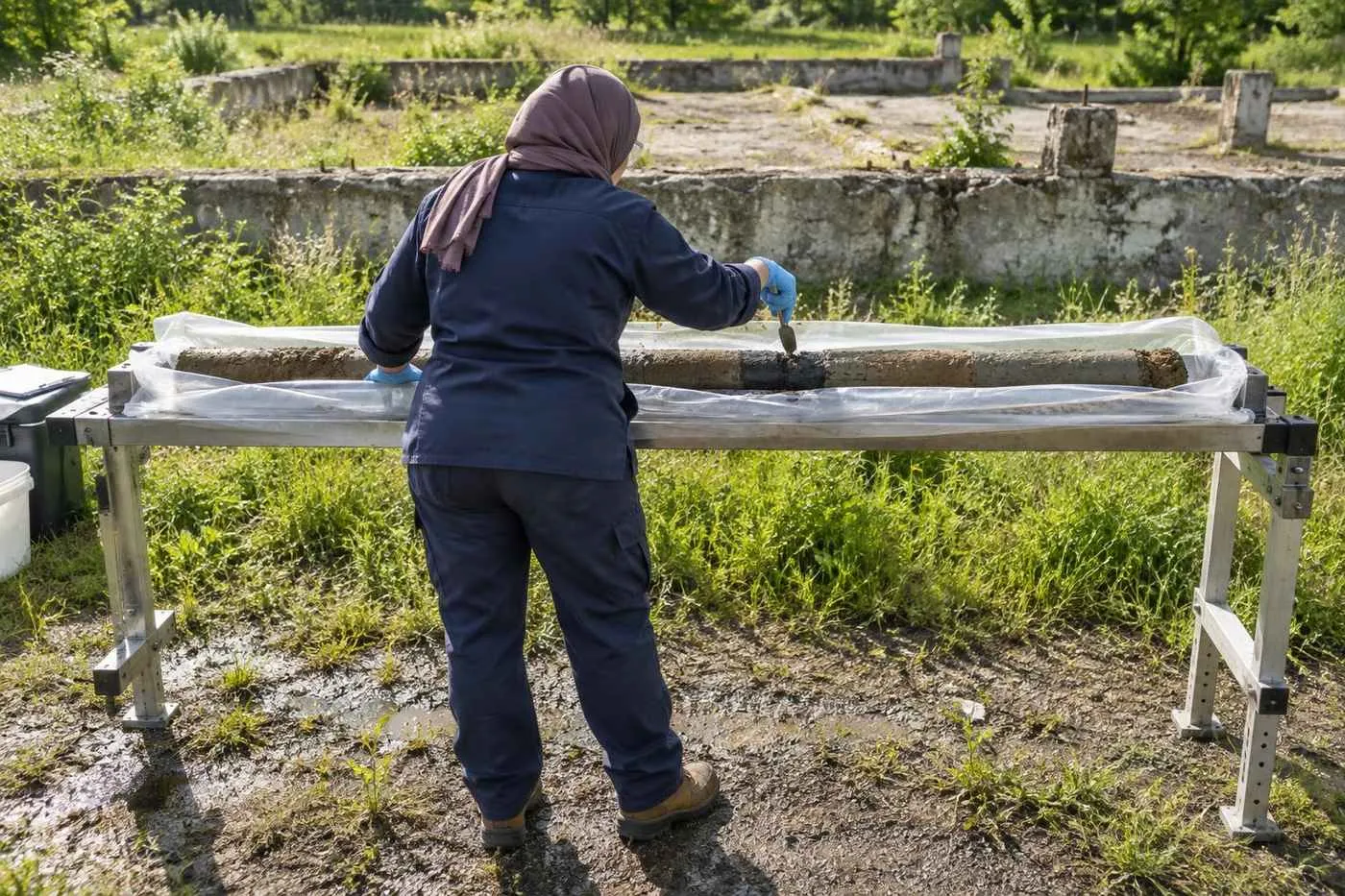
Reality Check:The five most common Phase II failures — wrong boring locations, inadequate soil logging, chain-of-custody errors, missed upgradient sources, and incomplete lab parameter selection — are all methodological. Zero of them get fixed by better hardware.
Where Equipment Actually Helps (The Right Cases)
That said, the right gear in the right situation genuinely accelerates work and improves accuracy:
- Monitoring wells and soil removal equipment matter enormously for remediation projects — equipment selection is a core consultant service, not an afterthought
- Field data collection apps (Esri Field Maps, Collector) synced to a GIS backend eliminate transcription errors and allow real-time QA during sampling events
- Integrated GIS + drone + CAD + analytics workflows create genuine efficiency in complex wetland restoration or large-scale habitat assessment projects — the whole is more than the sum of parts
The pattern is consistent: equipment creates leverage when it’s integrated into a disciplined workflow, not when it’s purchased to signal competence.
Practical Bottom Line
If you’re building out an environmental consulting practice — or auditing a firm you’re thinking of hiring — here’s what to actually evaluate:
- GIS capability first. Can they produce spatial deliverables, overlay regulatory data, and integrate field observations? If not, the rest of the gear conversation is premature.
- Ask about their sampling methodology, not their equipment list. A consultant who can explain their boring location rationale is worth more than one who can name every instrument in their kit.
- Drone and XRF capability is a nice qualifier, not a primary differentiator — only if they can show you how that data flows into final deliverables.
- For remediation projects specifically, equipment selection and installation oversight is a legitimate specialty. Ask about their experience with monitoring well design, soil removal logistics, and equipment commissioning — that’s where gear knowledge actually translates to project outcomes.
For a broader picture of what environmental consultants do and how to evaluate them, start with The Complete Guide to Environmental Consultants.
The best environmental consultant you can hire has excellent field judgment, rigorous documentation habits, and knows exactly which tool to reach for — and when to reach for nothing at all.
Done reading? Get quotes from environmental consultants near you.
Takes about a minute. Free, no obligation; providers reply to you directly.
Popular cities:
Nick built this directory to help developers and lenders find credentialed environmental consultants without wading through firms that also perform remediation — a conflict of interest he encountered firsthand while navigating due diligence on a commercial acquisition.