Get free quotes from environmental site assessment near you
Takes about a minute. Free, no obligation; providers reply to you directly.
The developer had a closing date in three weeks and a Phase I ESA quote for $1,200. His real estate attorney raised an eyebrow. The environmental consultant he’d been using for six years quoted $2,800 for the same work. He went with the $1,200 firm.
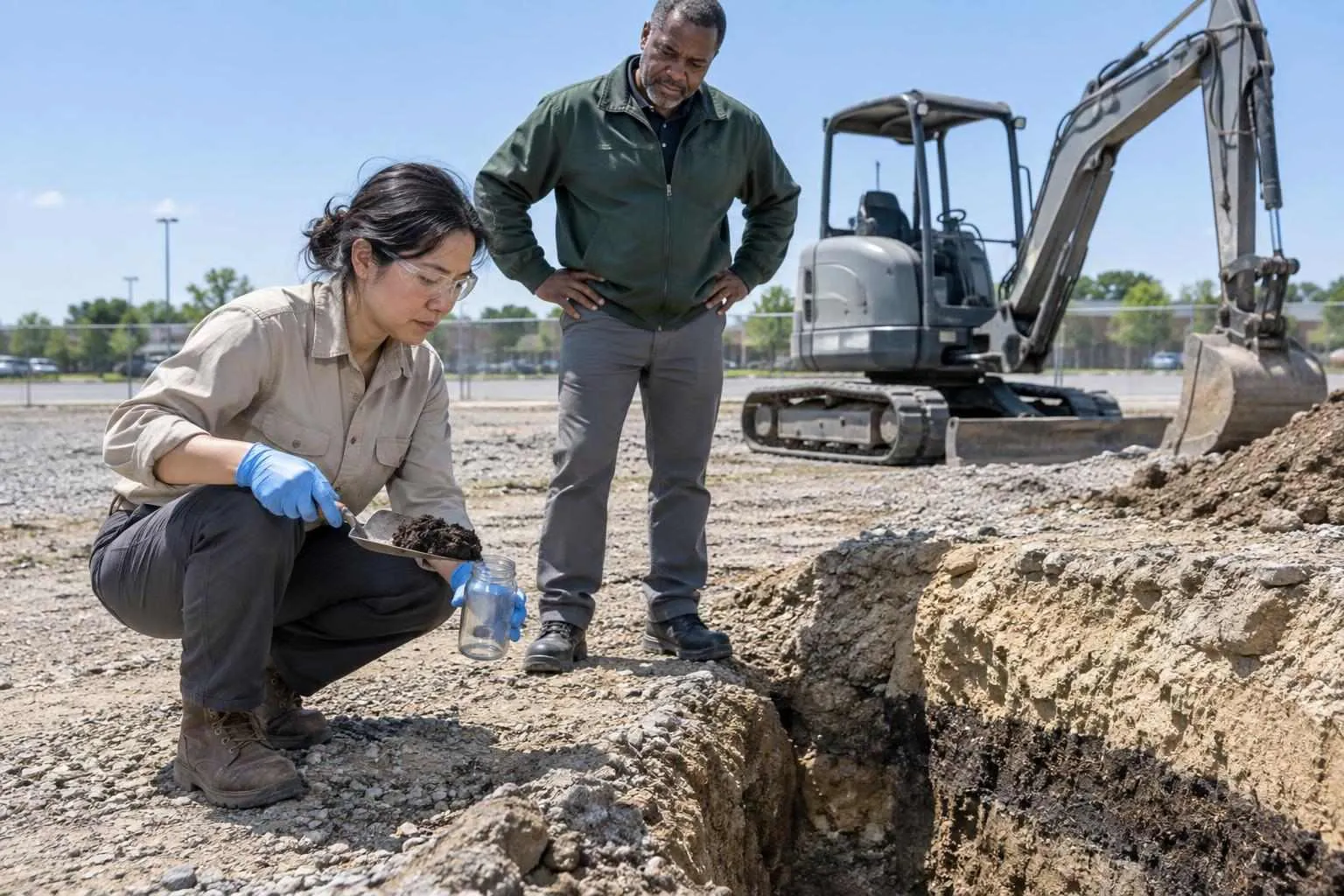
Sixty days later, he was staring at a Phase II requirement that the cheap Phase I had completely missed — a dry cleaner that operated on an adjacent parcel through the 1980s. The lender flagged it during underwriting review. The deal blew up. The Phase II he eventually needed cost $18,000.
That’s not a cautionary tale I invented. It’s the pattern commercial real estate brokers, lenders, and environmental professionals describe more times than they can count.
Key Takeaways
- A Phase I ESA that misses a recognized environmental condition isn’t a bargain — it’s a liability waiting to detonate
- Low-cost firms run volume with junior staff, which is fine for cookie-cutter reports and disastrous for complex sites
- The real comparison isn’t cheap vs. expensive — it’s fit-for-purpose vs. not
- Red flags are identifiable before you hire; you just have to know what to look for
The Short Version:Cheap environmental consultants are sometimes fine (simple sites, clean title history, no obvious concerns) and sometimes a disaster (complex redevelopments, SBA lending, historical industrial neighbors). The problem is that the sites where you most need quality are the exact sites where cutting corners costs the most.
The Volume Game
Here’s what most people miss about how budget environmental firms actually operate.
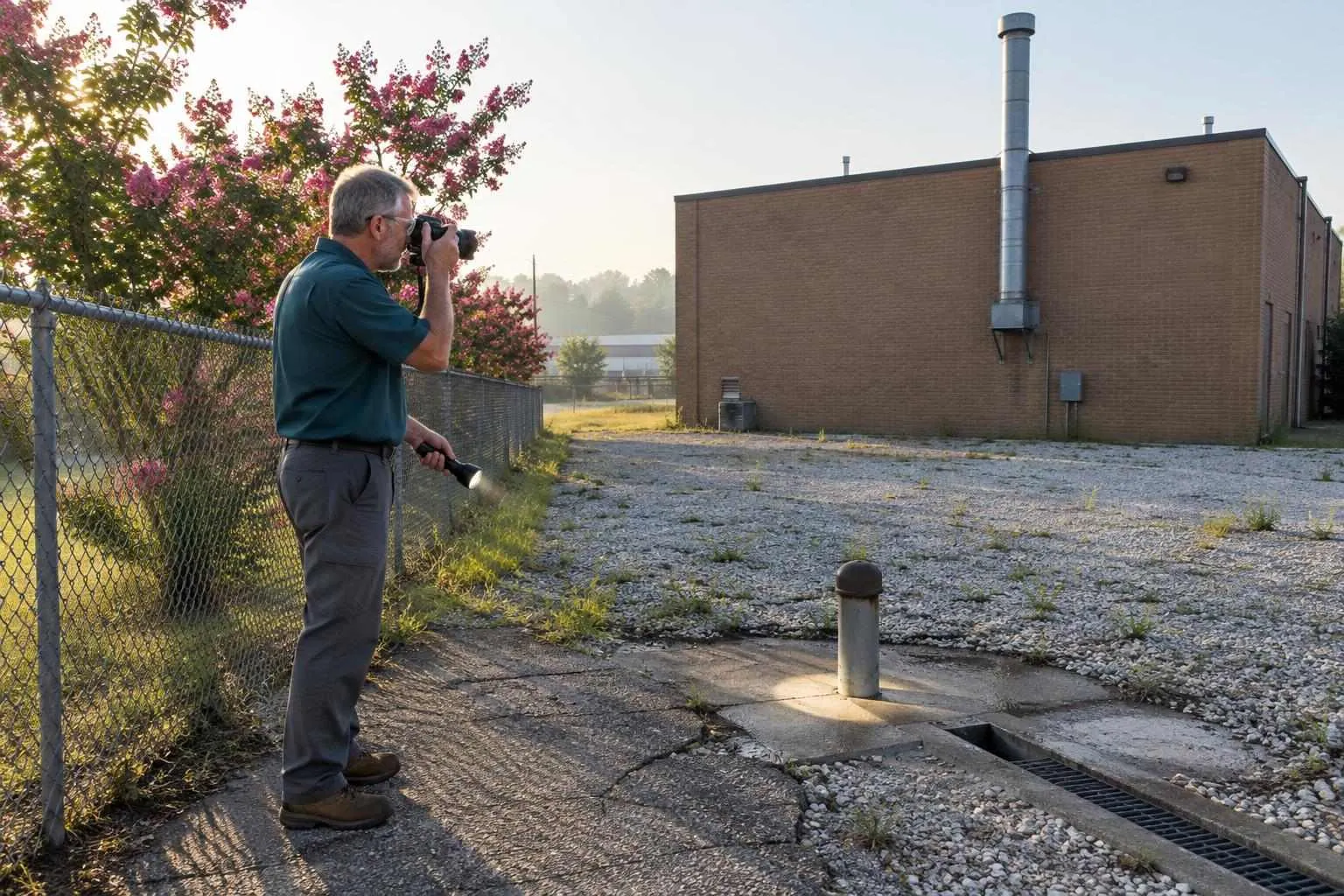
When a consultant quotes $1,200 for a Phase I ESA — a report that typically runs $2,000–$4,500 from established firms — they’re not running on goodwill and thin margins. They’re running volume. Thirty reports a month instead of twelve. Junior staff or recent graduates handling site reconnaissance and records review. A senior professional spending maybe forty-five minutes reviewing the final draft before it ships.
For a vacant lot with clean title history in a quiet suburban corridor, that might be entirely adequate. ASTM E1527-21 is a standardized methodology. A competent junior reviewer can execute it.
For a mixed-use redevelopment site adjacent to historical industrial uses? That’s where the template falls apart.
Reality Check:A 48-hour turnaround on a Phase I ESA is almost always a red flag. The records review alone — government databases, historical aerial photos, fire insurance maps, city directories — takes time. If someone is promising a two-day turnaround on a complex site, ask who’s actually doing the work.
What “Cheap” Actually Costs
The math that budget buyers miss is rarely in the upfront cost. It’s the downstream exposure.
I’ll be honest: specific fine amounts vary by jurisdiction and violation type. But the pattern is consistent — businesses that assumed compliance was handled by a low-cost consultant get hit with fines that exceed their initial savings. Missing permits. Incomplete assessment plans. Contaminated conditions that a thorough Phase I should have flagged, caught instead by a regulator.
Consider the economics:
| Scenario | Upfront Cost | Potential Downstream Cost |
|---|---|---|
| Phase I from a volume firm (missed REC) | $1,200 | $18,000–$80,000+ (Phase II + deal collapse) |
| Phase I from a credentialed firm | $2,800 | $0 (condition identified, priced into deal) |
| Phase II from a cheap firm (incomplete sampling) | $8,000 | Agency enforcement + corrective action plan |
| In-house environmental staff | $70k–$120k/year | Right-sized for large portfolios; overkill for 2–3 projects/year |
| External consultant, pay-per-project | $200–tens of thousands | Scales with actual need |
The in-house hire math deserves its own mention. If you’re running three to five transactions a year, environmental staff at $70,000–$120,000 annually — before benefits, training, and overhead — is almost never the right answer. External consultants, even premium ones, deliver better value unless you’re managing a continuous compliance operation across a large portfolio.
When Cheap Is Actually Fine
I’m not here to tell you to always spend more. That’s not honest advice.
If you’re acquiring a post-2000 commercial building in a clean suburban corridor, no historical industrial tenants, neighboring parcels are retail, and the transaction is conventionally financed — a competent budget firm can probably get you a serviceable Phase I. The ASTM methodology is the ASTM methodology.
Pro Tip:Ask any consultant — cheap or premium — for their ASTM E1527-21 compliance statement and a sample report from a similar property type. The sample tells you more than the quote. Look at the historical research depth, the REC discussion, and whether the conclusions section is site-specific or templated boilerplate.
The cases where you genuinely cannot afford to cut corners:
- SBA 7(a) or 504 loans — lenders require ASTM-compliant reports; non-conforming work gets rejected
- CMBS financing — third-party review is standard; a weak Phase I gets flagged immediately
- Known or suspected historical industrial use on-site or adjacent
- Phase II work with agency involvement — incomplete sampling has regulatory consequences
- Contaminated site assessment and cleanup — there’s no room for missed conditions
The Red Flags Checklist
Before signing with any environmental consultant — cheap or premium — verify these:
Credentials. Look for CHMM, REP, PE, or PG designations. These represent demonstrated competency and professional liability, not just titles.
Who does the site visit. Ask directly: “Will a licensed professional conduct the site reconnaissance, or a field technician?” Volume firms often send technicians; the licensed reviewer signs the report without visiting.
Turnaround time. Realistic Phase I timelines run two to three weeks. Seven to ten days on a complex site should prompt a conversation about what’s being skipped.
Report customization. Request a sample. If the conclusions section reads identically for a gas station site and a retail strip center, that’s a template problem.
Fee structure. The consultant who wins by underbidding has to make up margin somewhere — usually in time spent per file. As one environmental firm put it plainly: cheap doesn’t mean you get what you need.
Practical Bottom Line
Match the consultant’s capability to the site’s complexity.
Simple site, clean history, standard lender requirement → competitive quotes are fine; vet credentials, ask for a sample report, confirm who visits the site.
Complex site, adjacent industrial uses, SBA or CMBS financing, any prior regulatory history → pay for experience. The price difference between a $2,000 Phase I and a $4,500 one is trivial against a deal that collapses in underwriting or a fine that arrives six months after closing.
The full picture of what environmental consultants do — credentials, report types, when to hire — is in the Complete Guide to Environmental Consultants. Start there before you request your first quote.
Nobody gets burned on the easy deals. The cheap consultant problem surfaces exactly when you can least afford it — on the sites with real complexity, real history, and real money at stake.
Done reading? Get quotes from environmental consultants near you.
Takes about a minute. Free, no obligation; providers reply to you directly.
Popular cities:
Nick built this directory to help developers and lenders find credentialed environmental consultants without wading through firms that also perform remediation — a conflict of interest he encountered firsthand while navigating due diligence on a commercial acquisition.